

Joystiq
Joystiq News
Google’s Chromecast is no more. With Tuesday’s , the company laid to rest the brand that kicked off 11 years ago with a novel product that helped move streaming onto the center stage of home entertainment. With the Google TV Streamer taking the baton, it’s time to look back at 11 years of Chromecast.
Google’s casting-centric brand arrived on July 24, 2013, with the first-generation Chromecast. The streaming stick plugged directly into a TV’s HDMI port and lacked a remote control. Instead, you fired up content using a mobile device or computer.
Most importantly, the innovative gizmo only cost $35. This was when an Apple TV set-top box started at $99, and app-laden televisions were nowhere near commonplace. Even Roku’s same-generation Streaming Stick, which landed a year earlier, cost $100. Oh, and it required a TV certified as “Roku-ready.”
When faced with pricier options, it was hard to resist the Chromecast. And many people felt that way: The stick quickly sold out. And it hung around for longer than most tech products, as the company only .
Engadget applauded the device. Our review “for anyone who’s been looking for an easy, unobtrusive way to put some brains into their dumb TV.” The device was Google at its best: Innovating in a highly accessible, affordable and device-agnostic way.
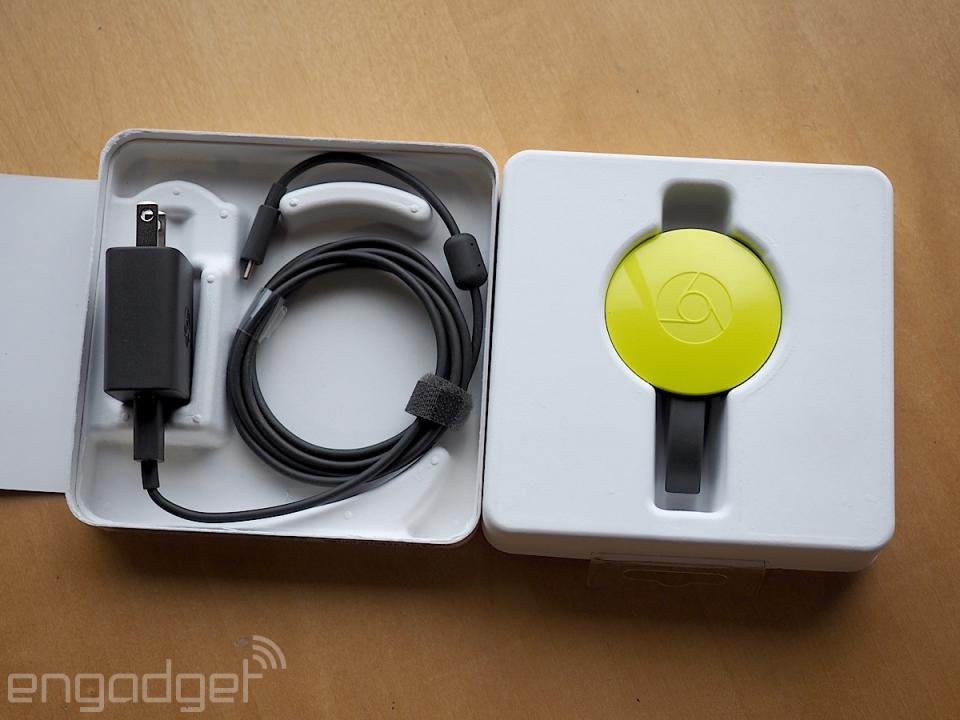
The second-generation model from 2015.
Nicole Lee for Engadget
What followed were years of iterations as competitors pushed out competing products, and Google responded with more modern features and redesigns.
The switched to a dongle form factor with a magnetized back and HDMI plug. The same year, Google launched a music-focused sister device, (with a vinyl record-inspired appearance). , the first stab at a higher-end model, landed in 2016 with 4K streaming and Dolby Vision support. A followed in 2018 with faster speeds, Nest speaker integration... and not much else.
This decade, we saw the awkwardly branded in 2020 — now with a remote!! — and the in 2022. In hindsight, the strange naming could now be seen as the company’s first nudge toward a rebrand.
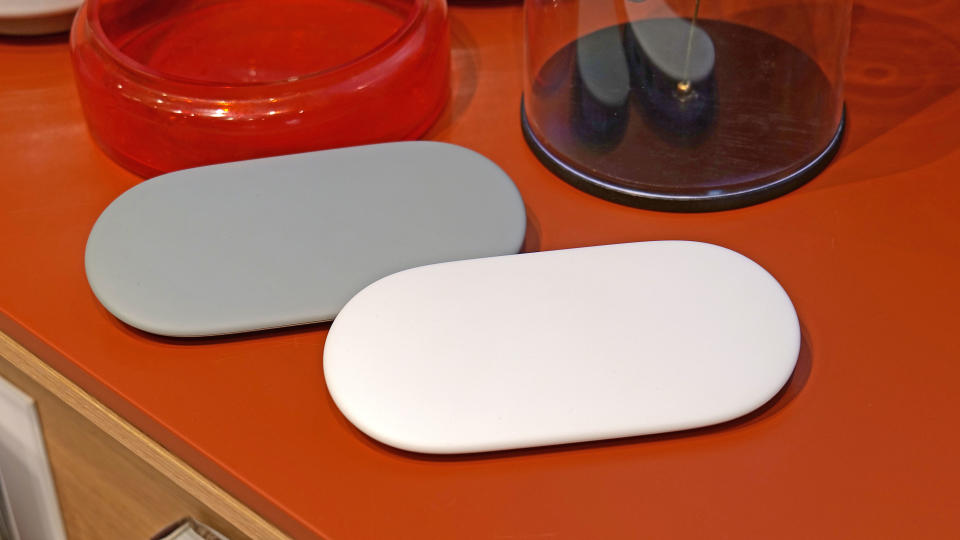
Sam Rutherford for Engadget
This brings us to today, as Google to its streaming wunderkind—at least under its old name. The Google TV Streamer, with its , is taking over in a much different landscape than we saw 11 years ago.
The Chromecast, especially that innovative first-generation model, helped push us into the streaming-first world many of us have lived in ever since. That’s especially true when you consider its impact on competitors. Roku’s from 2014 dropped from $99 to $50 and ditched its doomed “Roku Ready TV” requirement. Meanwhile, Amazon saw an opening and launched a (also in 2014) that cost $39.
Without that first Chromecast model, it’s hard to tell how that landscape may have looked different in the following years.
It isn’t too late to dip your toes into the nostalgia pool and pick up a Chromecast, as Google says the old devices will remain on the market while supplies last. Crucially, the company’s promise of security updates and support remains unchanged, so there’s no need to fret if you recently picked up one of the soon-to-be-extinct devices.
This article originally appeared on Engadget at
Console Bang News!
Google’s casting-centric brand arrived on July 24, 2013, with the first-generation Chromecast. The streaming stick plugged directly into a TV’s HDMI port and lacked a remote control. Instead, you fired up content using a mobile device or computer.
Most importantly, the innovative gizmo only cost $35. This was when an Apple TV set-top box started at $99, and app-laden televisions were nowhere near commonplace. Even Roku’s same-generation Streaming Stick, which landed a year earlier, cost $100. Oh, and it required a TV certified as “Roku-ready.”
When faced with pricier options, it was hard to resist the Chromecast. And many people felt that way: The stick quickly sold out. And it hung around for longer than most tech products, as the company only .
Engadget applauded the device. Our review “for anyone who’s been looking for an easy, unobtrusive way to put some brains into their dumb TV.” The device was Google at its best: Innovating in a highly accessible, affordable and device-agnostic way.
The second-generation model from 2015.
Nicole Lee for Engadget
What followed were years of iterations as competitors pushed out competing products, and Google responded with more modern features and redesigns.
The switched to a dongle form factor with a magnetized back and HDMI plug. The same year, Google launched a music-focused sister device, (with a vinyl record-inspired appearance). , the first stab at a higher-end model, landed in 2016 with 4K streaming and Dolby Vision support. A followed in 2018 with faster speeds, Nest speaker integration... and not much else.
This decade, we saw the awkwardly branded in 2020 — now with a remote!! — and the in 2022. In hindsight, the strange naming could now be seen as the company’s first nudge toward a rebrand.
Sam Rutherford for Engadget
This brings us to today, as Google to its streaming wunderkind—at least under its old name. The Google TV Streamer, with its , is taking over in a much different landscape than we saw 11 years ago.
The Chromecast, especially that innovative first-generation model, helped push us into the streaming-first world many of us have lived in ever since. That’s especially true when you consider its impact on competitors. Roku’s from 2014 dropped from $99 to $50 and ditched its doomed “Roku Ready TV” requirement. Meanwhile, Amazon saw an opening and launched a (also in 2014) that cost $39.
Without that first Chromecast model, it’s hard to tell how that landscape may have looked different in the following years.
It isn’t too late to dip your toes into the nostalgia pool and pick up a Chromecast, as Google says the old devices will remain on the market while supplies last. Crucially, the company’s promise of security updates and support remains unchanged, so there’s no need to fret if you recently picked up one of the soon-to-be-extinct devices.
This article originally appeared on Engadget at
Console Bang News!