

Samsung’s journey through the flagship phone landscape for the year 2020 was concluded at Galaxy Unpacked a couple of months ago. In other words, Samsung has already released every flagship it had in store for 2020 and most Galaxy fans are now looking forward to what 2021 has to offer. With the end of the year drawing near and the just around the corner, it’s time to look back at Samsung’s efforts for the flagship smartphone market throughout the year and revisit the company’s most powerful and expensive phones to date, as well as what made them stand apart.
Samsung kicked off its premium 2020 product lineup not with a Galaxy S device but with a brand-new entry into its portfolio, i.e., the . To be exact, both the Galaxy S20 series and the Galaxy Z Flip were unveiled on the same day but the latter model was able to beat the Galaxy S20 to the market by a few weeks.
The Galaxy Z Flip leveraged foldable display technology to revive the clamshell form factor after a decade of absence. It’s not the most powerful flagship on the market but it is one of the most unique phones of 2020, Samsung or otherwise. It introduced and UTG (ultra-thin glass), both of which were later adopted by the Galaxy Z Fold 2. A 5G variant equipped with the newer Snapdragon 865+ chipset was released in the second half of the year.
The was the company’s first – and possibly only – smartphone to physically bear the branding. The phone’s March release had marked the introduction of periscope telephoto sensors and the Galaxy S20 Ultra remains the only Galaxy S20 variant capable of achieving 100x zoom. The system wasn’t perfect at launch but it has been improved through firmware updates.
The Galaxy S20 series was also Samsung’s first smartphone to support a 120Hz refresh rate for the display. This characteristic is becoming increasingly popular but it all started with the S20 lineup. The technology with the release of the Galaxy Note 20 Ultra.
The represents an important step for the company’s S Pen series of flagships, perhaps more so than other recent Galaxy Note models. This is because the with a low latency of only 9ms (helped by the 120Hz display refresh rate), and the S Pen experience as a whole was made better by a newer suite of S Pen apps – including a revamped Samsung Notes app – as well as the display itself.
The Galaxy Note 20 Ultra supports a 120Hz refresh rate but what set it apart from the Galaxy S20 Ultra was the LTPO backplane. It’s more energy efficient and this leads not only to improved battery life but also lower temperatures when using the high refresh rate mode.
Last but not least, the Galaxy Note 20 Ultra was the first Samsung phone to adopt . It’s not the only Galaxy device to do so though, as the same solution was also adopted by the king of foldable phones.
The last and easily the most ambitious Galaxy flagship of 2020 is the . Unveiled at Galaxy Unpacked alongside the Galaxy Note 20 series and released a few weeks later, the Galaxy Z Fold 2 has improved upon the original Galaxy Fold formula in too many ways to count.
The Galaxy Z Fold 2 is wrapped in Gorilla Glass Victus protection and adopts sweeper technology for the hinge, as well as UTG for the foldable display. It streamlined the exterior design by abandoning display notches in favor of the iconic Infinity-O cutouts.
The cover display was made much more usable thanks to a larger footprint and a nearly bezel-less design, whereas the flexible display was given cutting-edge 120Hz capabilities. The Galaxy Z Fold 2 also marked the introduction of for the series.
Do you own any of these 2020 Galaxy flagship phones? How has your experience with them been so far? What are your thoughts on Samsung’s flagship phone portfolio at the end of the year, and what key improvements are you looking forward to in 2021?
For a more in-depth look at these devices and what makes them tick beyond their unique characteristics, check our reviews linked below as well as our new device comparison widget (if you’re viewing this page on your phone, hit the full comparison button at the bottom to view the specs for these devices side-by-side or switch to desktop view in your browser app).
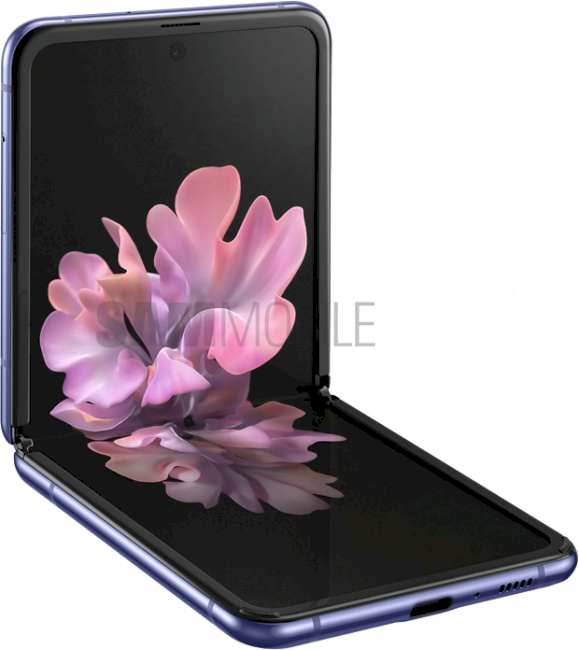
Galaxy Z Flip
VS.
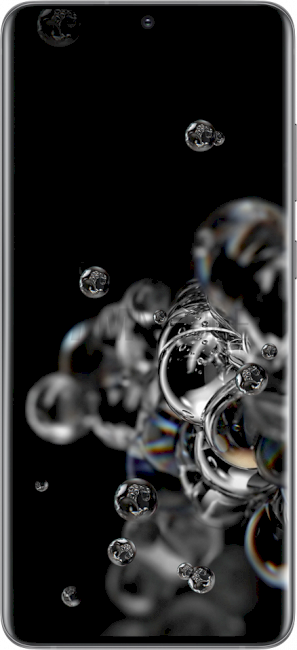
Galaxy S20 Ultra 5G
VS.
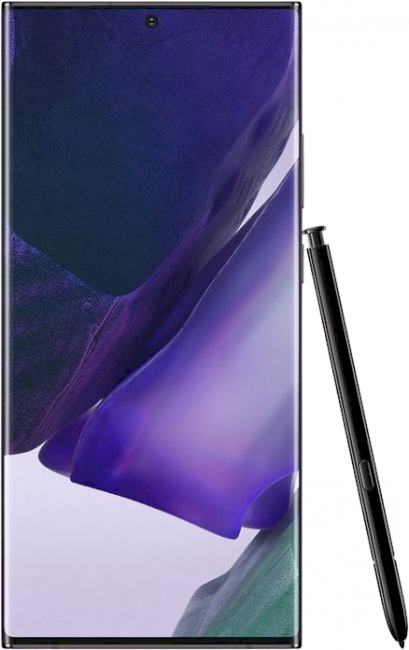
Galaxy Note 20 Ultra 5G
VS.

Galaxy Z Fold 2
Purple (Purple)
Gold (Gold)
()
[TD]Gray (Gray)[/TD]
Black (Black)
[TD]Black (Black)[/TD]
Bronze (Bronze)
White (White) [TD]Bronze (Bronze)[/TD]
Black (Black)Thom Browne Edition (Thom Browne Edition)
[TR]
[TH]Announced[/TH]
[TD]2020, February[/TD]
[TD]2020, February[/TD]
[TD]2020, August[/TD]
[TD]2020, August[/TD]
[/TR]
[TR]
[TH]Released[/TH]
[TD]2020, February[/TD]
[TD]2020, February[/TD]
[TD]2020, August[/TD]
[TD]2020, August[/TD]
[/TR]
[TR]
[TH]Physical Specifications[/TH]
[/TR]
[TR]
[TH]Dimensions[/TH]
[TD]Folded: 87.4 x 73.6 x 17.3 mm[/TD]
Unfolded: 167.3 x 73.6 x 7.2 mm
[/TR]
[TD]Bar: 166.9 x 76.0 x 8.8 mm[/TD]
[TD]Bar: 164.8 x 77.2 x 8.1 mm[/TD]
[TD]Folded: 159.2 x 68.0 x 16.8 mm[/TD]
Unfolded: 159.2 x 128.2 x 6.9 mm
[TR]
[TH]Weights[/TH]
[TD]183g[/TD]
[TD]222g[/TD]
[TD]208g[/TD]
[TD]282g[/TD]
[/TR]
[TR]
[TH]Operating System[/TH]
[/TR]
[TR]
[TH]Operating system[/TH]
[TD]Android 10[/TD]
[TD]Android 10[/TD]
[TD]Android 10[/TD]
[TD]Android 10[/TD]
[/TR]
[TR]
[TH]One UI version[/TH]
[TD]2.1[/TD]
[TD]2.1[/TD]
[TD]2.5[/TD]
[TD]2.5[/TD]
[/TR]
[TR]
[TH]Network[/TH]
[/TR]
[TR]
[TH]Networks[/TH]
[TD]2G[/TD]
3G
[/TR]
4G [TD]2G[/TD]
3G4G5G [TD]2G[/TD]
3G4G5G [TD]2G[/TD]
3G4G5G
[TR]
[TH]Display[/TH]
[/TR]
[TR]
[TH]Kind[/TH]
[TD]Main Display[/TD]
[TD]Main Display[/TD]
[TD]Main Display[/TD]
[TD]Main Display[/TD]
[/TR]
[TR]
[TH]Name[/TH]
[TD]Infinity Flex Display[/TD]
[TD]Infinity-O Display[/TD]
[TD]Infinity-O Display[/TD]
[TD]Infinity Flex Display[/TD]
[/TR]
[TR]
[TH]Technology[/TH]
[TD]Dynamic AMOLED Display[/TD]
[TD]Dynamic AMOLED 2X[/TD]
[TD]Dynamic AMOLED 2X[/TD]
[TD]Dynamic AMOLED 2X[/TD]
[/TR]
[TR]
[TH]Size[/TH]
[TD]6.7 inch / 170.18 mm [/TD]
[TD]6.9 inch / 175.26 mm [/TD]
[TD]6.9 inch / 175.26 mm [/TD]
[TD]7.6 inch / 193.04 mm [/TD]
[/TR]
[TR]
[TH]Resolution[/TH]
[TD]FHD+ / 2536x1080 pixels[/TD]
[TD]QHD+ / 3200x1440 pixels[/TD]
[TD]WQHD / 3088x1440 pixels[/TD]
[TD]QXGA+ / 2208x1768 pixels[/TD]
[/TR]
[TR]
[TH]Pixel density[/TH]
[TD]425 PPI[/TD]
[TD]511 PPI[/TD]
[TD]496 PPI[/TD]
[TD]373 PPI[/TD]
[/TR]
[TR]
[TH]Screen to body ratio[/TH]
[TD]~82.5%[/TD]
[TD]~89.9%[/TD]
[TD]%[/TD]
[TD]~88.6%[/TD]
[/TR]
[TR]
[TH]Memory[/TH]
[/TR]
[TR]
[TH]RAM/ROM sizes[/TH]
[TD]8 GB RAM with 256 GB ROM[/TD]
[TD]12 GB RAM with 128 GB ROM[/TD]
12 GB RAM with 256 GB ROM
[/TR]
16 GB RAM with 512 GB ROM [TD]12 GB RAM with 128 GB ROM[/TD]
12 GB RAM with 256 GB ROM12 GB RAM with 512 GB ROM [TD]12 GB RAM with 256 GB ROM[/TD]
12 GB RAM with 512 GB ROM
[TR]
[TH]Rear camera[/TH]
[/TR]
[TR]
[TH]Megapixels[/TH]
[TD]12MP[/TD]
[TD]108MP[/TD]
[TD]108MP[/TD]
[TD]12MP[/TD]
[/TR]
[TR]
[TH]Aperture[/TH]
[TD]F2.2[/TD]
[TD]F1.8[/TD]
[TD]F1.8[/TD]
[TD]F2.2[/TD]
[/TR]
[TR]
[TH]Battery[/TH]
[/TR]
[TR]
[TH]Standard battery capacity[/TH]
[TD]3300 mAh[/TD]
[TD]5000 mAh[/TD]
[TD]4500 mAh[/TD]
[TD]4500 mAh[/TD]
[/TR]
[TR]
[TH][/TH]
[/TR]
The post appeared first on .
Galaxy Z Flip: Reviving the clamshell form factor in 2020
Samsung kicked off its premium 2020 product lineup not with a Galaxy S device but with a brand-new entry into its portfolio, i.e., the . To be exact, both the Galaxy S20 series and the Galaxy Z Flip were unveiled on the same day but the latter model was able to beat the Galaxy S20 to the market by a few weeks.
The Galaxy Z Flip leveraged foldable display technology to revive the clamshell form factor after a decade of absence. It’s not the most powerful flagship on the market but it is one of the most unique phones of 2020, Samsung or otherwise. It introduced and UTG (ultra-thin glass), both of which were later adopted by the Galaxy Z Fold 2. A 5G variant equipped with the newer Snapdragon 865+ chipset was released in the second half of the year.
- Buy the Galaxy Z Flip LTE/5G at
Galaxy S20 Ultra: 120Hz and Space Zoom
The was the company’s first – and possibly only – smartphone to physically bear the branding. The phone’s March release had marked the introduction of periscope telephoto sensors and the Galaxy S20 Ultra remains the only Galaxy S20 variant capable of achieving 100x zoom. The system wasn’t perfect at launch but it has been improved through firmware updates.
The Galaxy S20 series was also Samsung’s first smartphone to support a 120Hz refresh rate for the display. This characteristic is becoming increasingly popular but it all started with the S20 lineup. The technology with the release of the Galaxy Note 20 Ultra.
- Buy the Galaxy S20 Ultra at
Galaxy Note 20 Ultra: Low-latency S Pen, LTPO, Gorilla Glass Victus
The represents an important step for the company’s S Pen series of flagships, perhaps more so than other recent Galaxy Note models. This is because the with a low latency of only 9ms (helped by the 120Hz display refresh rate), and the S Pen experience as a whole was made better by a newer suite of S Pen apps – including a revamped Samsung Notes app – as well as the display itself.
The Galaxy Note 20 Ultra supports a 120Hz refresh rate but what set it apart from the Galaxy S20 Ultra was the LTPO backplane. It’s more energy efficient and this leads not only to improved battery life but also lower temperatures when using the high refresh rate mode.
Last but not least, the Galaxy Note 20 Ultra was the first Samsung phone to adopt . It’s not the only Galaxy device to do so though, as the same solution was also adopted by the king of foldable phones.
- Buy the Galaxy Note 20 Ultra at
Galaxy Z Fold 2: The pinnacle of foldable devices
The last and easily the most ambitious Galaxy flagship of 2020 is the . Unveiled at Galaxy Unpacked alongside the Galaxy Note 20 series and released a few weeks later, the Galaxy Z Fold 2 has improved upon the original Galaxy Fold formula in too many ways to count.
The Galaxy Z Fold 2 is wrapped in Gorilla Glass Victus protection and adopts sweeper technology for the hinge, as well as UTG for the foldable display. It streamlined the exterior design by abandoning display notches in favor of the iconic Infinity-O cutouts.
The cover display was made much more usable thanks to a larger footprint and a nearly bezel-less design, whereas the flexible display was given cutting-edge 120Hz capabilities. The Galaxy Z Fold 2 also marked the introduction of for the series.
- Buy the Galaxy Z Fold 2 at
Do you own any of these 2020 Galaxy flagship phones? How has your experience with them been so far? What are your thoughts on Samsung’s flagship phone portfolio at the end of the year, and what key improvements are you looking forward to in 2021?
For a more in-depth look at these devices and what makes them tick beyond their unique characteristics, check our reviews linked below as well as our new device comparison widget (if you’re viewing this page on your phone, hit the full comparison button at the bottom to view the specs for these devices side-by-side or switch to desktop view in your browser app).
Galaxy Z Flip
VS.
Galaxy S20 Ultra 5G
VS.
Galaxy Note 20 Ultra 5G
VS.
Galaxy Z Fold 2
| General Information | ||||
|---|---|---|---|---|
| Model name | Galaxy Z Flip | Galaxy S20 Ultra 5G | Galaxy Note 20 Ultra 5G | Galaxy Z Fold 2 |
| Model number | SM-F700F | SM-G988B | SM-N986B | SM-F916B |
| Model type | Foldable | Bar | Bar | Foldable |
| Color | Black (Black) |
Purple (Purple)
Gold (Gold)
()
Black (Black)
[TD]Black (Black)[/TD]
Bronze (Bronze)
White (White) [TD]Bronze (Bronze)[/TD]
Black (Black)Thom Browne Edition (Thom Browne Edition)
[TR]
[TH]Announced[/TH]
[TD]2020, February[/TD]
[TD]2020, February[/TD]
[TD]2020, August[/TD]
[TD]2020, August[/TD]
[/TR]
[TR]
[TH]Released[/TH]
[TD]2020, February[/TD]
[TD]2020, February[/TD]
[TD]2020, August[/TD]
[TD]2020, August[/TD]
[/TR]
[TR]
[TH]Physical Specifications[/TH]
[/TR]
[TR]
[TH]Dimensions[/TH]
[TD]Folded: 87.4 x 73.6 x 17.3 mm[/TD]
Unfolded: 167.3 x 73.6 x 7.2 mm
[/TR]
[TD]Bar: 166.9 x 76.0 x 8.8 mm[/TD]
[TD]Bar: 164.8 x 77.2 x 8.1 mm[/TD]
[TD]Folded: 159.2 x 68.0 x 16.8 mm[/TD]
Unfolded: 159.2 x 128.2 x 6.9 mm
[TR]
[TH]Weights[/TH]
[TD]183g[/TD]
[TD]222g[/TD]
[TD]208g[/TD]
[TD]282g[/TD]
[/TR]
[TR]
[TH]Operating System[/TH]
[/TR]
[TR]
[TH]Operating system[/TH]
[TD]Android 10[/TD]
[TD]Android 10[/TD]
[TD]Android 10[/TD]
[TD]Android 10[/TD]
[/TR]
[TR]
[TH]One UI version[/TH]
[TD]2.1[/TD]
[TD]2.1[/TD]
[TD]2.5[/TD]
[TD]2.5[/TD]
[/TR]
[TR]
[TH]Network[/TH]
[/TR]
[TR]
[TH]Networks[/TH]
[TD]2G[/TD]
3G
[/TR]
4G [TD]2G[/TD]
3G4G5G [TD]2G[/TD]
3G4G5G [TD]2G[/TD]
3G4G5G
[TR]
[TH]Display[/TH]
[/TR]
[TR]
[TH]Kind[/TH]
[TD]Main Display[/TD]
[TD]Main Display[/TD]
[TD]Main Display[/TD]
[TD]Main Display[/TD]
[/TR]
[TR]
[TH]Name[/TH]
[TD]Infinity Flex Display[/TD]
[TD]Infinity-O Display[/TD]
[TD]Infinity-O Display[/TD]
[TD]Infinity Flex Display[/TD]
[/TR]
[TR]
[TH]Technology[/TH]
[TD]Dynamic AMOLED Display[/TD]
[TD]Dynamic AMOLED 2X[/TD]
[TD]Dynamic AMOLED 2X[/TD]
[TD]Dynamic AMOLED 2X[/TD]
[/TR]
[TR]
[TH]Size[/TH]
[TD]6.7 inch / 170.18 mm [/TD]
[TD]6.9 inch / 175.26 mm [/TD]
[TD]6.9 inch / 175.26 mm [/TD]
[TD]7.6 inch / 193.04 mm [/TD]
[/TR]
[TR]
[TH]Resolution[/TH]
[TD]FHD+ / 2536x1080 pixels[/TD]
[TD]QHD+ / 3200x1440 pixels[/TD]
[TD]WQHD / 3088x1440 pixels[/TD]
[TD]QXGA+ / 2208x1768 pixels[/TD]
[/TR]
[TR]
[TH]Pixel density[/TH]
[TD]425 PPI[/TD]
[TD]511 PPI[/TD]
[TD]496 PPI[/TD]
[TD]373 PPI[/TD]
[/TR]
[TR]
[TH]Screen to body ratio[/TH]
[TD]~82.5%[/TD]
[TD]~89.9%[/TD]
[TD]%[/TD]
[TD]~88.6%[/TD]
[/TR]
[TR]
[TH]Memory[/TH]
[/TR]
[TR]
[TH]RAM/ROM sizes[/TH]
[TD]8 GB RAM with 256 GB ROM[/TD]
[TD]12 GB RAM with 128 GB ROM[/TD]
12 GB RAM with 256 GB ROM
[/TR]
16 GB RAM with 512 GB ROM [TD]12 GB RAM with 128 GB ROM[/TD]
12 GB RAM with 256 GB ROM12 GB RAM with 512 GB ROM [TD]12 GB RAM with 256 GB ROM[/TD]
12 GB RAM with 512 GB ROM
[TR]
[TH]Rear camera[/TH]
[/TR]
[TR]
[TH]Megapixels[/TH]
[TD]12MP[/TD]
[TD]108MP[/TD]
[TD]108MP[/TD]
[TD]12MP[/TD]
[/TR]
[TR]
[TH]Aperture[/TH]
[TD]F2.2[/TD]
[TD]F1.8[/TD]
[TD]F1.8[/TD]
[TD]F2.2[/TD]
[/TR]
[TR]
[TH]Battery[/TH]
[/TR]
[TR]
[TH]Standard battery capacity[/TH]
[TD]3300 mAh[/TD]
[TD]5000 mAh[/TD]
[TD]4500 mAh[/TD]
[TD]4500 mAh[/TD]
[/TR]
[TR]
[TH][/TH]
[/TR]
The post appeared first on .