

Joystiq
Joystiq News
Consumer Reports has an extensive ranking of vehicle reliability, and the results pour cold water on the dependability of and . The survey says electric vehicles suffer from 79 percent more maintenance issues than gas- or diesel-powered ones, while plug-in hybrids have 146 percent more problems. The troubles portray the industry’s growing pains with the relatively new technology as the planet , and scientists to thwart global climate catastrophe.
The survey polled CR’s members about issues with their rides from the past year, gathering data on 330,000 vehicles. The publication’s data included models from 2000 to 2023, alongside a few (early launched) 2024 models. CR studied 20 “trouble areas,” including relatively minor issues like squeaky brakes or a broken interior trim and more problematic ones related to the transmission, engine or EV battery. The number of potential trouble areas varies by type: internal combustion engine (ICE) vehicles have 17, EVs have 12, traditional hybrids have 19 and plug-in hybrids have all 20.
The publication combined the data with its own track testing, owner satisfaction survey results and safety info. It then averaged it to assign each brand a numerical score (out of 100).
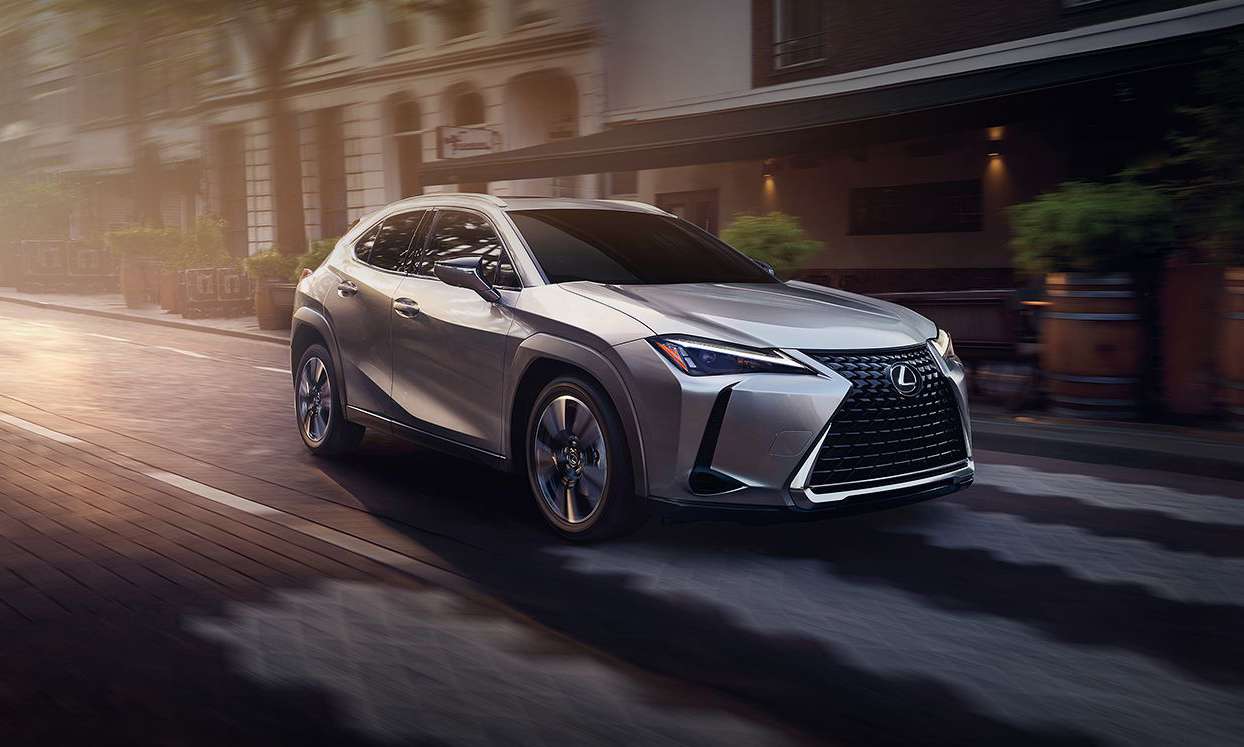
The Lexus UX, a rare plug-in hybrid that scored well in the survey.
Lexus
Non-plugin hybrids scored well, with the survey indicating they suffer from 26 percent fewer issues than gas- and diesel-powered vehicles. CR highlighted the most reliable brands in that space, including the and and , Highlander Hybrid and RAV4 Hybrid.
If only plug-in hybrids (PHEV) could enjoy those ratings. Instead, their longer list of trouble spots led to 146 percent more problems than traditional gas-powered vehicles. Lowlights include the , which scored an abysmal 14 out of 100, and . However, several PHEVs defied the category’s expectations, including “standouts” like the and . Several others, including the , and , scored “average” in reliability.
Fully electric cars and SUVs, the vehicles many automakers aim to , have mediocre average scores: 44 and 43, respectively., the newest technology in the bunch, perhaps unsurprisingly scored worse with an average of 30.
Lexus came out on top among EV brands. All but one of its models scored above average or better in CR’s ratings. And the lone exception, the NX, still had an average score. Toyota also did well, including the , which CR describes as “among the most reliable models in the survey.” However, its electric scored poorly. Other EVs with above-average scores include and .
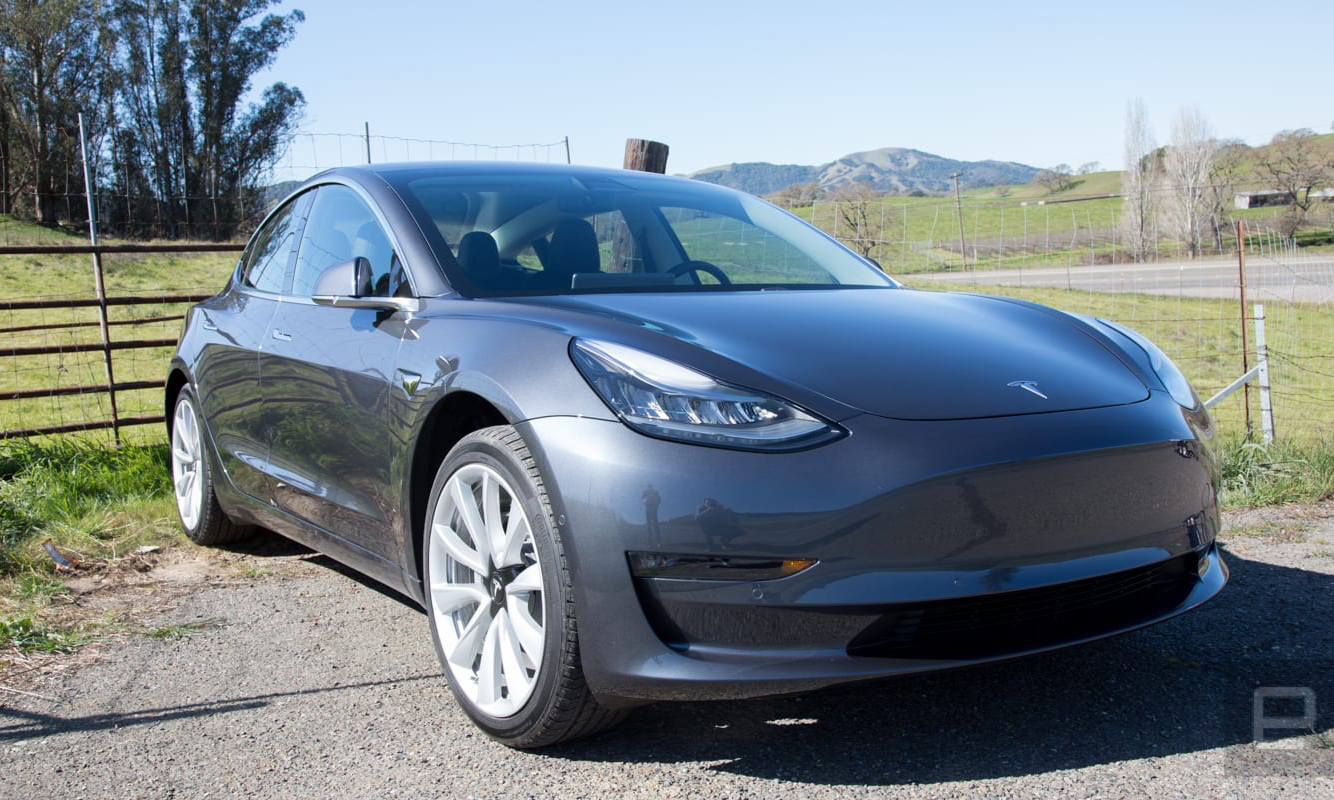
Photo by Roberto Baldwin / Engadget
Once practically synonymous with electric vehicles, had overall scores in the middle of the pack (alongside brands like Chevrolet, Buick, Ram, Cadillac and Dodge). CR says the Elon Musk-led company’s EV powertrains tend to fare better than those from traditional automakers. However, Ars Technica the company’s reliability scores struggled more with things like bodywork, paint / trim and climate systems.
Regionally speaking, Asian automakers enjoyed the highest average scores in the survey at a healthy 63. European companies were second with an average of 46, while US brands slumped with a somewhat disappointing score of 39.
This article originally appeared on Engadget at
Console Bang News!
The survey polled CR’s members about issues with their rides from the past year, gathering data on 330,000 vehicles. The publication’s data included models from 2000 to 2023, alongside a few (early launched) 2024 models. CR studied 20 “trouble areas,” including relatively minor issues like squeaky brakes or a broken interior trim and more problematic ones related to the transmission, engine or EV battery. The number of potential trouble areas varies by type: internal combustion engine (ICE) vehicles have 17, EVs have 12, traditional hybrids have 19 and plug-in hybrids have all 20.
The publication combined the data with its own track testing, owner satisfaction survey results and safety info. It then averaged it to assign each brand a numerical score (out of 100).
The Lexus UX, a rare plug-in hybrid that scored well in the survey.
Lexus
Non-plugin hybrids scored well, with the survey indicating they suffer from 26 percent fewer issues than gas- and diesel-powered vehicles. CR highlighted the most reliable brands in that space, including the and and , Highlander Hybrid and RAV4 Hybrid.
If only plug-in hybrids (PHEV) could enjoy those ratings. Instead, their longer list of trouble spots led to 146 percent more problems than traditional gas-powered vehicles. Lowlights include the , which scored an abysmal 14 out of 100, and . However, several PHEVs defied the category’s expectations, including “standouts” like the and . Several others, including the , and , scored “average” in reliability.
Fully electric cars and SUVs, the vehicles many automakers aim to , have mediocre average scores: 44 and 43, respectively., the newest technology in the bunch, perhaps unsurprisingly scored worse with an average of 30.
Lexus came out on top among EV brands. All but one of its models scored above average or better in CR’s ratings. And the lone exception, the NX, still had an average score. Toyota also did well, including the , which CR describes as “among the most reliable models in the survey.” However, its electric scored poorly. Other EVs with above-average scores include and .
Photo by Roberto Baldwin / Engadget
Once practically synonymous with electric vehicles, had overall scores in the middle of the pack (alongside brands like Chevrolet, Buick, Ram, Cadillac and Dodge). CR says the Elon Musk-led company’s EV powertrains tend to fare better than those from traditional automakers. However, Ars Technica the company’s reliability scores struggled more with things like bodywork, paint / trim and climate systems.
Regionally speaking, Asian automakers enjoyed the highest average scores in the survey at a healthy 63. European companies were second with an average of 46, while US brands slumped with a somewhat disappointing score of 39.
This article originally appeared on Engadget at
Console Bang News!