

Joystiq
Joystiq News
California will float a pair of bills designed to protect children from social media addiction and preserve their private data. The Protecting Youth from Social Media Addiction Act (SB 976) and California Children’s Data Privacy Act (AB 1949) were Monday by the state’s Attorney General Rob Bonta, State Senator Nancy Skinner and Assemblymember Buffy Wicks. The proposed legislation follows a that was set to go into effect this year but is now .
SB 976 could give parents the power to remove addictive algorithmic feeds from their children’s social channels. If passed, it would allow parents of children under 18 to choose between the default algorithmic feed — typically — and a less habit-forming chronological one. It would also let parents block all social media notifications and prevent their kids from accessing social platforms during nighttime and school hours.
“Social media companies have designed their platforms to addict users, especially our kids. Countless studies show that once a young person has a social media addiction, they experience higher rates of depression, anxiety, and low self-esteem,” California Senator Nancy Skinner (D-Berkeley) wrote in a press release. “We’ve waited long enough for social media companies to act. SB 976 is needed now to establish sensible guardrails so parents can protect their kids from these preventable harms.”
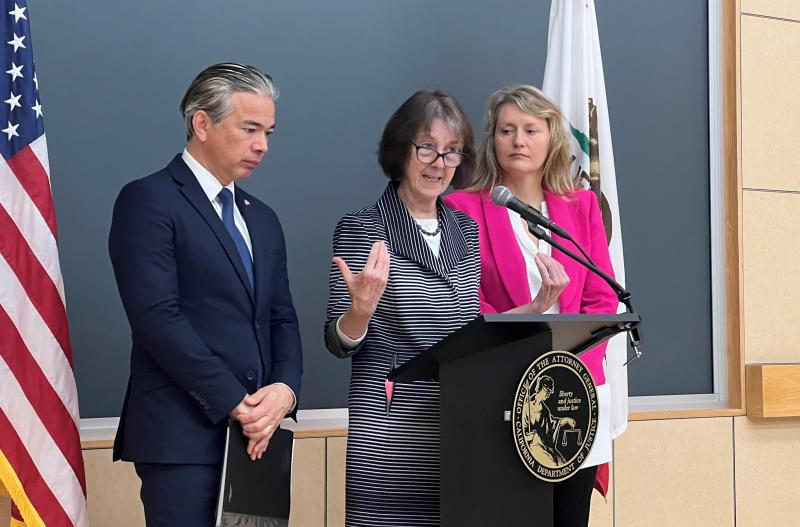
L to R: California AG Rob Bonta, State Senator Nancy Skinner and Assemblymember Buffy Wicks
The Office of Nancy Skinner
Meanwhile, AB 1949 would attempt to strengthen data privacy for CA children under 18. The bill’s language gives the state’s consumers the right to know what personal information social companies collect and sell and allows them to prevent the sale of their children’s data to third parties. Any exceptions would require “informed consent,” which must be from a parent for children under 13.
In addition, AB 1949 would close loopholes in the that fail to protect the data of 17-year-olds effectively. The CCPA reserves its most robust protections for those under 16.
“This bill is a crucial step in our work to close the gaps in our privacy laws that have allowed tech giants to exploit and monetize our kids’ sensitive data with impunity,” wrote Wicks (D-Oakland).
The bills may be timed to coincide with a on Wednesday covering children’s online safety. In addition, California is part of a 41-state coalition that for harming children’s mental health. The Wall Street Journal in 2021 that internal Meta (Facebook at the time) documents described “tweens” as “a valuable but untapped audience.”
This article originally appeared on Engadget at
Console Bang News!
SB 976 could give parents the power to remove addictive algorithmic feeds from their children’s social channels. If passed, it would allow parents of children under 18 to choose between the default algorithmic feed — typically — and a less habit-forming chronological one. It would also let parents block all social media notifications and prevent their kids from accessing social platforms during nighttime and school hours.
“Social media companies have designed their platforms to addict users, especially our kids. Countless studies show that once a young person has a social media addiction, they experience higher rates of depression, anxiety, and low self-esteem,” California Senator Nancy Skinner (D-Berkeley) wrote in a press release. “We’ve waited long enough for social media companies to act. SB 976 is needed now to establish sensible guardrails so parents can protect their kids from these preventable harms.”
L to R: California AG Rob Bonta, State Senator Nancy Skinner and Assemblymember Buffy Wicks
The Office of Nancy Skinner
Meanwhile, AB 1949 would attempt to strengthen data privacy for CA children under 18. The bill’s language gives the state’s consumers the right to know what personal information social companies collect and sell and allows them to prevent the sale of their children’s data to third parties. Any exceptions would require “informed consent,” which must be from a parent for children under 13.
In addition, AB 1949 would close loopholes in the that fail to protect the data of 17-year-olds effectively. The CCPA reserves its most robust protections for those under 16.
“This bill is a crucial step in our work to close the gaps in our privacy laws that have allowed tech giants to exploit and monetize our kids’ sensitive data with impunity,” wrote Wicks (D-Oakland).
The bills may be timed to coincide with a on Wednesday covering children’s online safety. In addition, California is part of a 41-state coalition that for harming children’s mental health. The Wall Street Journal in 2021 that internal Meta (Facebook at the time) documents described “tweens” as “a valuable but untapped audience.”
This article originally appeared on Engadget at
Console Bang News!